Billy wallson
Senior DirectorMost owls are heard long before they are seen, and learning their calls is the fastest way to know who is sharing your night woods.
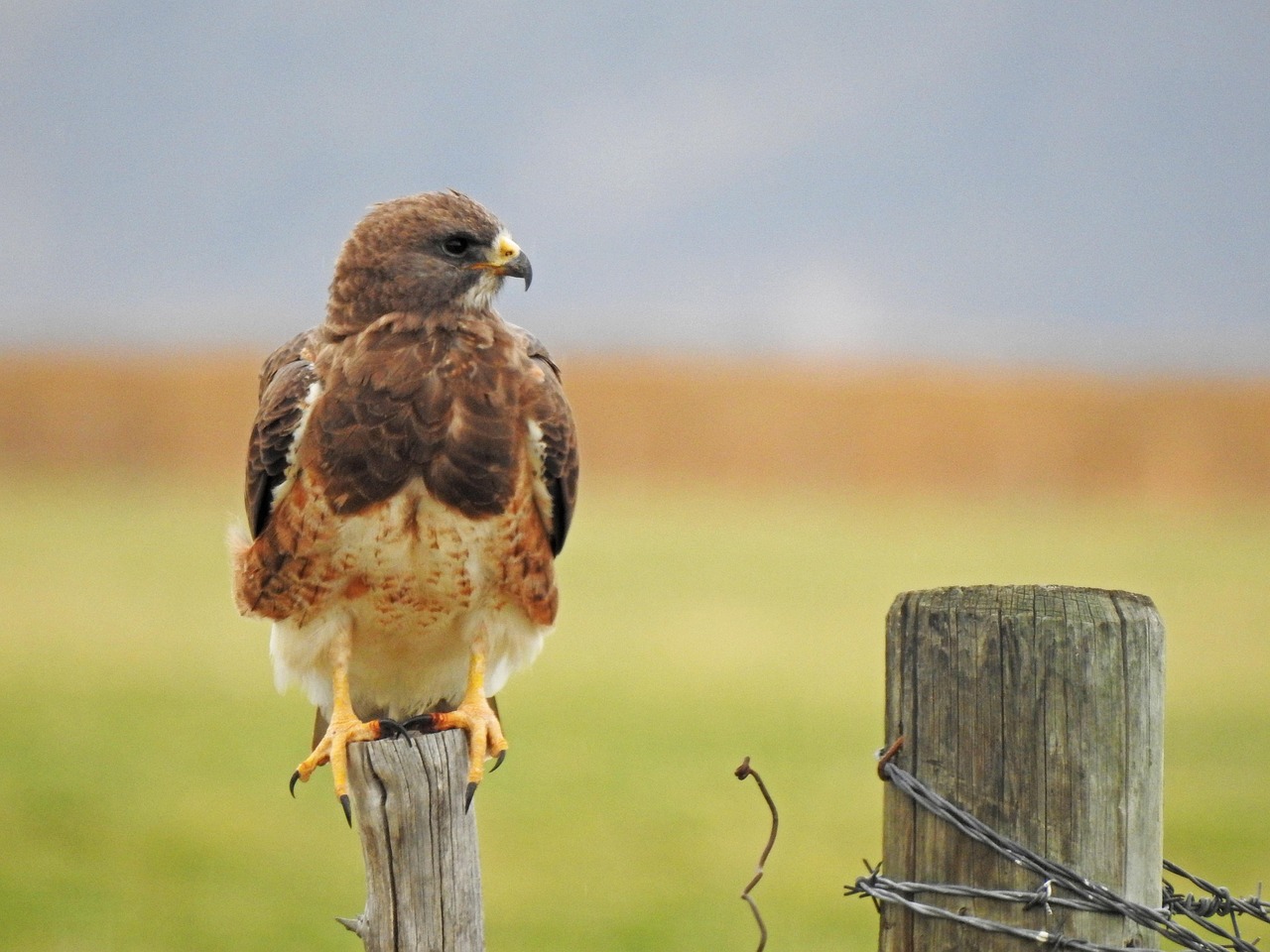
Drive almost any rural highway in autumn and you will see them: red-tailed hawks on fence posts, American kestrels hovering over medians, northern harriers gliding low across fields. Roads are, in a strange way, some of the best raptor habitat we have created. The trouble is that the same corridors that concentrate prey also concentrate danger, and collision with vehicles is one of the most underappreciated threats facing birds of prey across the continent.
The attraction is easy to understand. Mowed verges harbor voles, mice, and grasshoppers. Roadkill draws carrion eaters. Warm asphalt and gravel shoulders offer perches and, in some cases, nesting substrate. For a hungry hawk, a highway is a buffet. For a young bird still learning to judge speed and distance, it is a gauntlet. Studies of banded raptors have shown that a meaningful share of mortality for some species occurs along roads, particularly for birds that hunt low and cross frequently.
Not all roads are equal. Wide, fast highways with narrow verges give birds little warning and no escape. Two-lane roads with hedgerows and ditches are more forgiving because birds can flush into cover. The placement of perches matters too. A utility pole on the shoulder invites hawks to hunt from a spot that puts them directly in traffic. Moving or modifying those perches, or planting taller vegetation further back, can shift hunting activity away from the danger zone.
Carcass removal programs are another practical lever. When roadkill is cleared quickly, scavenging raptors and corvids spend less time on the pavement. Some wildlife agencies combine this with signage in known collision hotspots, though signs alone rarely solve the problem. The most effective measures tend to be structural: wildlife underpasses and overpasses, median barriers that funnel animals to crossing points, and fencing that guides them there.
You do not need a biology degree to contribute. Reporting road-killed raptors to your state or provincial wildlife agency helps researchers identify hotspots. If you regularly drive a route, note where you see the same species hunting and where you find casualties, and share that pattern. Citizen science platforms increasingly accept these observations, and the data adds up.
On a personal level, slow down in known raptor country, especially at dawn and dusk when many species are most active. Scan the shoulder, not just the sky. If you see a hawk on a kill near the road, give it space and pass at a steady speed; sudden braking or swerving can push the bird into traffic. And when you stop to watch a bird, pull fully off the pavement and stay behind the guardrail. The point of watching raptors is to enjoy them, and the best way to do that is to leave them safer than you found them.

Raptor watching puts specific demands on optics, and the right pair makes the difference between a blur and a positive ID.

Cold months bring different birds and different opportunities, and winter can be the best season for raptor watching.
Cold months bring different birds and different opportunities, and winter can be the best season for raptor watching.

Most owls are heard long before they are seen, and learning their calls is the fastest way to know who is sharing your night woods.

Most owls are heard long before they are seen, and learning their calls is the fastest way to know who is sharing your night woods.

The best raptor encounters often happen when you stop moving, find a quiet vantage, and let the birds come to you.

Copyright © 2026 Kestrel Crest. All Rights Reserved.


Roseanne Williams
Sep 1, 2026 ReplyRoads kill raptors and also feed them, and understanding that uneasy relationship is key to protecting the birds we love to watch.